

Stress urinary incontinence is one of the most common reasons people leak urine during everyday movement. It happens when pressure inside the abdomen rises faster than the body can support the bladder outlet, leading to leakage with coughing, sneezing, laughing, jumping, lifting, or exercise. Although the name includes the word stress, it is not primarily caused by emotional stress. It is usually a mechanical support problem involving the pelvic floor, connective tissue, and urethra.
This matters because bladder leakage can affect exercise, sleep, work, travel, and social confidence. It is also common. The National Institute of Diabetes and Digestive and Kidney Diseases notes that about half of women experience urinary incontinence at some point. Analyses from the Urologic Diseases in America Project and NHANES have also found a 1-year prevalence of urinary incontinence in women of about 53%, including roughly 26% with stress-only incontinence, with many reporting effects on daily activities. Yet the NIDDK Urologic Diseases in America 2024 report indicates that fewer than 40% of adults with self-reported incontinence tell a physician.
The good news is that stress urinary incontinence is often improvable, especially when the type of leakage is identified correctly and treatment starts with the right foundation.
Why stress urinary incontinence happens

The bladder and urethra rely on support from the pelvic floor muscles, fascia, ligaments, and surrounding core system. When these tissues do not hold up well against pressure, leakage can happen during physical effort. In many people, more than one cause contributes.
Pregnancy and childbirth
Pregnancy places extra load on the pelvic floor, and vaginal delivery can stretch or injure muscles, connective tissue, and nerves. Even when symptoms do not start right away, prior childbirth can reduce support over time and make leaks more noticeable later.
Menopause and aging-related tissue change
As tissues age, they may become less elastic and less supportive. Menopause-related hormonal shifts can also affect tissue quality in the pelvic region, making it harder for the urethra to stay closed during sudden pressure increases.
Obesity and repeated pressure
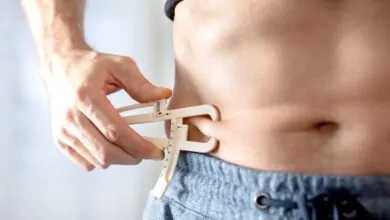
Excess body weight can raise baseline pressure on the pelvic floor. Over months or years, that added load can make leakage with movement more likely.
Chronic cough, constipation, and straining

Repeated coughing acts like repeated stress testing of the pelvic floor. Constipation and frequent straining can do the same. For some people, bowel habits are a hidden driver of bladder symptoms, which is why constipation should not be ignored in evaluation.
Heavy lifting and high-impact activity
Jobs, training routines, or caregiving tasks that involve frequent lifting can challenge pelvic floor support. This does not mean exercise is bad; it means mechanics, coordination, and tissue support matter.
Pelvic organ prolapse or prior pelvic surgery
If pelvic organs shift downward, the position and function of the bladder outlet can change. Prior pelvic surgery may also alter support structures, sometimes improving one issue while creating new functional challenges.
Nerve or neuromuscular dysfunction
Some people have trouble generating the right pelvic floor contraction at the right time, even if the muscles are not simply “weak.” Poor coordination among breathing, abdominal pressure, and pelvic floor activation can be part of the problem.
How to tell whether it is really stress incontinence

Not every bladder leak is the same. Stress urinary incontinence usually means leakage during physical pressure: cough, sneeze, laugh, lift, run, or change in position. Urge incontinence is different. That is when a strong sudden urge to urinate is followed by leakage before reaching the bathroom. Mixed incontinence includes features of both.
Because treatment depends on the pattern, it helps to track symptoms for several days. Useful questions include:
- Do leaks happen with movement or impact?
- Is there a strong urge right before leakage?
- How often do you urinate during the day and night?
- Do constipation, straining, coughing, or exercise make symptoms worse?
- Do you feel pelvic pressure, heaviness, or bulging that could suggest prolapse?
A bladder diary can help clarify triggers, frequency, fluid habits, and whether symptoms are mostly stress-related, urge-related, or mixed.
How stress urinary incontinence is evaluated
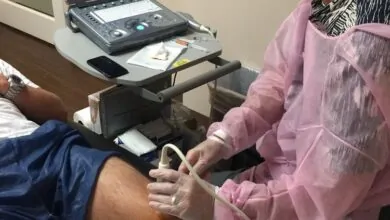
An evaluation often begins with history and symptom review. A clinician may ask about pregnancy, childbirth, surgeries, bowel habits, medications, menopause, chronic cough, exercise, and work demands. Physical examination may include pelvic floor assessment, screening for prolapse, and checking whether muscles can contract and relax properly.
Depending on symptoms, testing may also include urinalysis, post-void residual measurement, or referral to specialists. Persistent, worsening, painful, bloody, or complex symptoms deserve prompt medical review rather than self-treatment alone.
What actually helps

1. Pelvic floor muscle training
Pelvic floor muscle training is a first-line treatment for stress or mixed urinary incontinence. NICE guideline NG123 recommends supervised pelvic floor muscle training for at least 3 months. This matters because many people are told to “do Kegels” but are never shown how to do them well.
Effective training is not just squeezing harder. It involves correct muscle identification, a structured program, progressive loading, and coordination with breathing and movement. In some people, the goal is not only strengthening but also timing the contraction before a cough, lift, or impact.
2. Pelvic floor physical therapy
Pelvic floor physical therapy can be especially useful when symptoms involve more than simple weakness. A therapist can assess muscle control, tension, prolapse, scar mobility, breathing strategy, pressure management, bowel habits, and core coordination. This is often where people discover that constipation, straining, or poor lifting mechanics are part of the problem.
Physical therapy may include:
- Pelvic floor strengthening and endurance work
- Training for quick contractions before coughing or lifting
- Breathing and core coordination
- Bowel habit and constipation management
- Exercise modification for return to impact activity
3. Lifestyle and habit changes

Daily habits can either reduce or reinforce pelvic floor strain. Depending on the cause, meaningful improvements may come from:
- Treating constipation and avoiding chronic straining
- Managing chronic cough
- Adjusting high-impact exercise temporarily while rebuilding support
- Using lifting mechanics that reduce downward pressure
- Weight reduction when excess weight is contributing
- Reviewing bladder irritants and fluid timing if urgency is also present
These changes are not substitutes for rehab, but they often improve results.
4. Medical devices and non-invasive treatment options
Some people need more support than exercises alone provide. Depending on anatomy and symptoms, clinicians may discuss options such as pessaries or provider-administered pelvic floor stimulation. These approaches can be useful when someone struggles to recruit the right muscles, wants a non-invasive option, or needs an adjunct to a broader rehab plan.
One example is the Bedrock Bioscience Gazelle™ Pelvic Health Chair, a provider-administered pelvic floor stimulation option described as FDA 510(k)-cleared and delivered in fully clothed 20-minute sessions. For readers exploring non-invasive pelvic floor stimulation as part of professional care, more information is available at Bedrock Bioscience.
Mistakes to avoid
- Assuming every leak is the same. Stress, urge, and mixed incontinence do not respond best to the same plan.
- Doing Kegels without guidance. Incorrect technique, inconsistency, or over-bracing can limit progress.
- Ignoring constipation and straining. Bowel dysfunction can keep stressing the pelvic floor.
- Jumping straight to pads alone. Pads may help manage symptoms, but they do not address the cause.
- Waiting too long for evaluation. Because fewer than 40% of adults with self-reported incontinence tell a physician, many people delay care that could help.
- Skipping non-invasive options. Structured rehab and conservative treatment are often worth trying before invasive procedures.
When professional help makes sense
Professional help is appropriate when leakage is frequent, limits activity, persists despite home exercises, follows childbirth or surgery, or occurs alongside pelvic heaviness, bowel dysfunction, or possible prolapse. It is also important when symptoms are mixed, because urge-related symptoms may need a different approach.
For many people, the best next step is not surgery first. It is a proper diagnosis, supervised pelvic floor training, and a realistic treatment plan that may combine exercise, physical therapy, habit changes, and selected device-based care.
Practical action steps
- Track symptoms for 3 to 7 days, including triggers, urgency, bowel habits, and fluid intake.
- Separate stress leakage from urge leakage as clearly as possible.
- Start or restart pelvic floor training with proper instruction, ideally supervised for at least 3 months.
- Address constipation, straining, cough, and lifting mechanics.
- Seek pelvic floor physical therapy if symptoms are persistent, unclear, or tied to prolapse, childbirth, or exercise.
- Ask a clinician about non-invasive adjuncts or devices if muscle activation is difficult or progress stalls.
Conclusion
Stress urinary incontinence usually happens because the pelvic floor and surrounding support system cannot counter pressure well enough during movement or effort. Pregnancy, childbirth, menopause, aging, obesity, constipation, chronic cough, prolapse, surgery, and coordination problems can all contribute. The most effective path usually starts with identifying the right type of incontinence, then using structured pelvic floor rehabilitation and practical lifestyle changes. For people who need added support, professionally guided non-invasive options may also play a role. Most importantly, leakage should not be dismissed as something to simply live with.
FAQ
Can stress urinary incontinence get better without surgery?
Yes. Many cases improve with supervised pelvic floor muscle training, physical therapy, and treatment of contributing factors such as constipation, chronic cough, or weight-related pressure.
How long does pelvic floor training take to help?
Guidelines support at least 3 months of supervised training for stress or mixed urinary incontinence. Some people notice changes sooner, but consistency matters.
Are Kegels enough on their own?
Sometimes, but not always. If technique is poor, symptoms are mixed, or issues like prolapse, breathing mechanics, or bowel dysfunction are involved, a broader plan is usually more effective.
When should someone get evaluated?
Seek evaluation if leaks are frequent, worsening, affecting daily life, associated with urgency, pelvic pressure, pain, blood in the urine, recurrent infections, or if self-directed exercises are not helping.